
Bank of England Proposes New Stablecoin Regulations
The Bank of England (BoE) has announced a plan that could significantly alter the way cryptocurrency users in the UK manage and transact with stablecoins. This initiative includes a temporary limit of £20,000 on individual holdings of “systemic stablecoins,” which are digital currencies designed to maintain a stable value, often pegged to fiat currencies such as the British pound or the US dollar. The proposal is part of a broader consultation process that will continue until February 10, 2026, aiming to address potential risks as stablecoins increasingly integrate into the traditional financial framework. The BoE asserts that this cap serves as a provisional measure while authorities evaluate the effects of digital currencies on banks, lending practices, and overall financial stability.
Details of the Proposed Cap on Stablecoins
The BoE’s suggested limit allows individuals to hold up to £20,000 in each qualifying type of systemic stablecoin. However, this cap pertains exclusively to stablecoins deemed “systemic,” meaning those that are sufficiently widespread in payment systems to potentially jeopardize financial stability. Notably, the restriction applies only to stablecoins pegged to the pound, excluding those tied to other currencies like the US dollar. The central bank has expressed concerns that excessive withdrawals from traditional banks into digital tokens could weaken banks’ lending capabilities, resulting in tighter and more expensive credit, especially during financial downturns. Thus, the BoE seeks to provide time for necessary adjustments before stablecoins expand beyond manageable limits.
Understanding Stablecoins
Stablecoins are a category of cryptocurrencies designed to mirror the value of conventional assets, such as the pound or the US dollar. Typically built on the Ethereum blockchain, these tokens contrast sharply with more volatile cryptocurrencies like Bitcoin, as their value is intended to remain stable. Users frequently turn to stablecoins for quick, cost-effective transactions, international remittances, or transferring funds between cryptocurrency exchanges without depending on traditional banks. Additionally, stablecoins serve as a crucial link between conventional finance and blockchain technology, facilitating near-instant transactions, programmable payments, and continuous settlement.
Concerns from the Bank of England’s Leadership
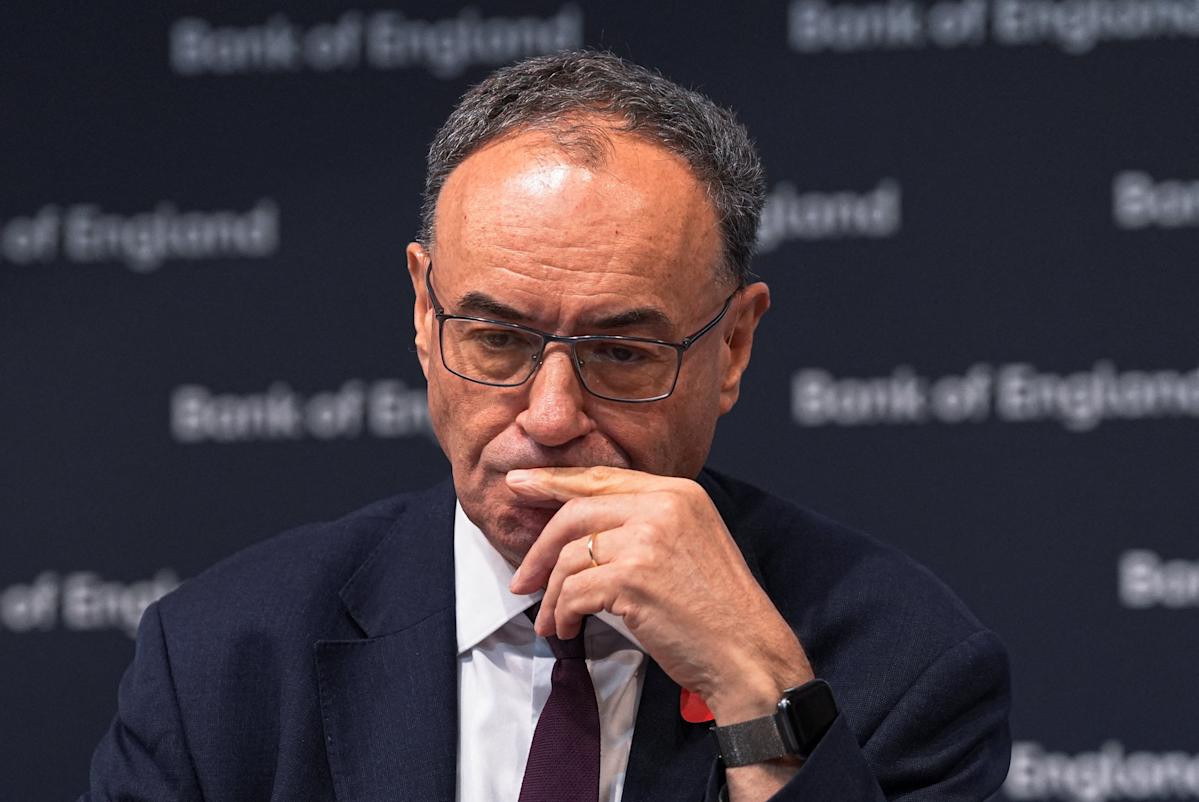
BoE Governor Andrew Bailey has expressed ongoing apprehension regarding stablecoins. In a July 2025 interview with The Times, he cautioned that without proper oversight, stablecoins could pose systemic risks to the financial system and potentially “threaten the very nature of money.” He emphasized that for stablecoins to function as money, they must possess the essential attributes of a medium of exchange and maintain their value consistently.
Statements from BoE Officials on Future Innovation
Sarah Breeden, the BoE’s Deputy Governor for Financial Stability, stated in a recent press release that the proposed regulations aim to foster innovation while establishing confidence in this emerging form of currency. She envisions a future financial landscape where stablecoins play a significant role in payment systems, providing the industry with the clarity necessary to plan effectively.
Criticism of the Proposed Regulatory Framework
Critics argue that the £20,000 cap could hinder innovation within the sector, pushing users towards US dollar-based stablecoins like USDT or USDC, which are readily accessible on international crypto exchanges. Will Beeson, founder and CEO of Uniform Labs, noted that “capital flows to where it’s most useful and least constrained.” He warned that if GBP-denominated stablecoins face restrictive limits while USD stablecoins remain unrestricted, users will likely gravitate towards the dollar. This shift does not alleviate the Bank of England’s concerns; rather, it merely transfers the activity outside their regulatory reach.
Potential Consequences for the UK Digital Economy
Beeson cautioned that such regulations could lead to the “dollarisation” of the UK’s digital economy, enhancing the influence of US stablecoin issuers over global cryptocurrency payment systems. He remarked, “If it’s structurally easier to use dollar stablecoins than pound stablecoins, you’re effectively paving the way for the dollarisation of the UK’s digital economy.” Rachel Lin, CEO and co-founder of SunFutures, echoed this sentiment, emphasizing that many users and businesses prioritize convenience and liquidity over national loyalty. She highlighted that a £20,000 limit significantly diminishes the utility of GBP stablecoins for larger transactions, such as high-value payments, payrolls, and merchant settlements. Lin warned that if the cap remains, it could accelerate the migration toward US dollar stablecoins, as the dollar continues to be the most liquid settlement currency in the cryptocurrency space.


